

Introduction
The 2026 southwest monsoon has officially entered India, bringing hope for relief from the intense summer heat that affected many regions during May and early June. The arrival of monsoon rains is one of the most important weather events in the country, as millions of farmers, businesses, and households depend on seasonal rainfall for agriculture, water supply, and economic activity.
According to the latest updates from the India Meteorological Department (IMD), the monsoon has already advanced across Kerala and parts of southern India and is expected to continue moving northward over the coming weeks. While some areas may receive heavy rainfall, others could experience below-normal precipitation during the season.
Monsoon 2026: Current Situation
The southwest monsoon reached Kerala in early June and has gradually progressed into parts of Karnataka, Tamil Nadu, Goa, and Northeast India. Weather conditions remain favorable for further advancement across additional states.
Experts believe the next few weeks will be crucial in determining rainfall distribution across the country. Farmers are closely monitoring weather updates as the kharif sowing season begins.
Key Highlights
| Factor | Status |
| Monsoon Onset | Reached Kerala |
| Southern States | Rainfall Activity Increasing |
| Northeast India | Active Monsoon Conditions |
| Heatwave Areas | Gradual Relief Expected |
| Agriculture | Kharif Sowing Preparations Underway |
States Likely to Receive Heavy Rainfall
Weather models indicate increased rainfall activity in several regions.
Southern India
- Kerala
- Coastal Karnataka
- Goa
- Tamil Nadu
These regions are expected to receive moderate to heavy rainfall, accompanied by thunderstorms and gusty winds.
Northeast India
- Assam
- Meghalaya
- Arunachal Pradesh
- Nagaland
- Manipur
The monsoon is expected to remain active across the Northeast, bringing widespread rainfall over the coming days.
Will Every State Receive Normal Rainfall?
Not necessarily.
IMD’s latest seasonal forecast suggests that India could receive below-normal rainfall overall during the June–September monsoon season. Seasonal rainfall may remain around 90% of the Long Period Average (LPA), mainly due to developing El Niño conditions in the Pacific Ocean.
This means:
- Some states may receive excess rainfall.
- Some regions may experience rainfall deficits.
- Rainfall distribution could be uneven throughout the season.
Impact on Agriculture
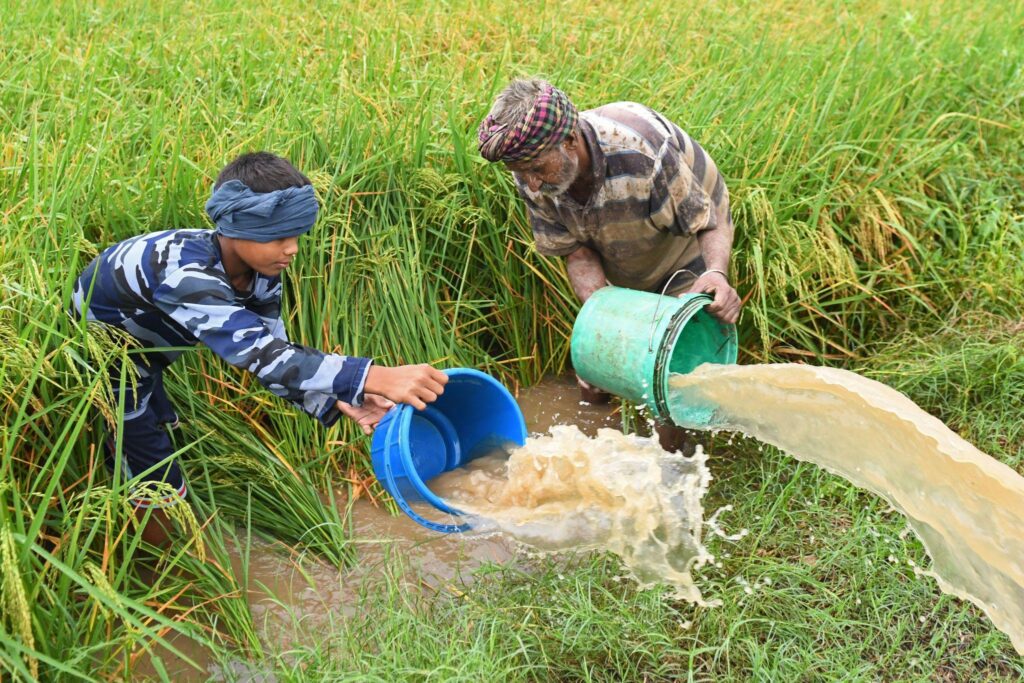
The monsoon contributes nearly 70% of India’s annual rainfall and plays a vital role in agriculture. Crops such as rice, cotton, sugarcane, maize, and soybean depend heavily on timely rains.
Positive Effects
✅ Better water availability
✅ Improved crop growth
✅ Reservoir recharge
✅ Relief from heatwave conditions
Potential Challenges
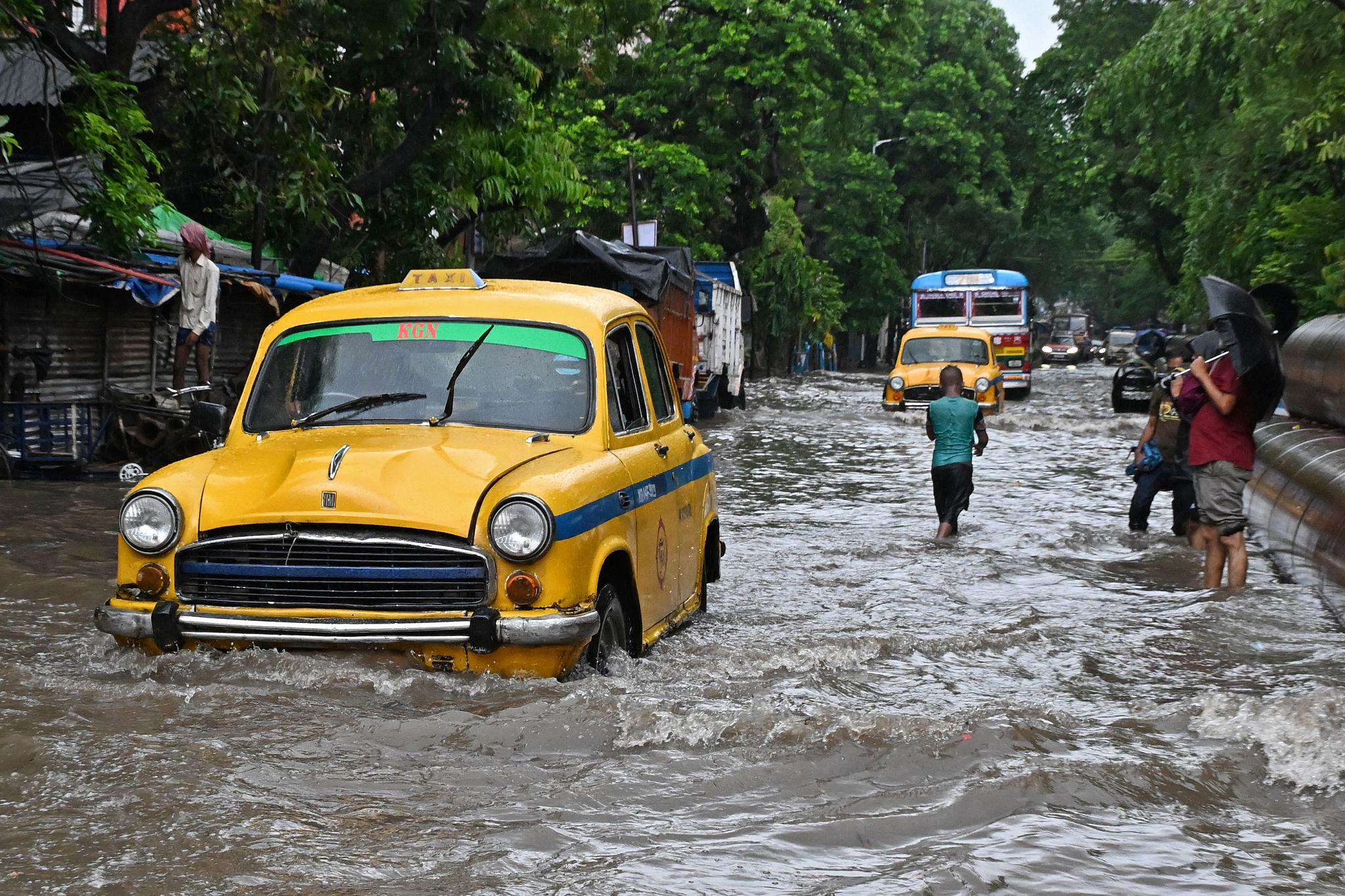
⚠ Flooding in low-lying areas
⚠ Waterlogging in cities
⚠ Crop damage from excessive rainfall
⚠ Transportation disruptions
Heatwave Relief on the Way?
Several regions that recently experienced temperatures above 40°C may soon receive relief due to increased cloud cover and rainfall activity. IMD forecasts thunderstorms, lightning, and scattered rain in many parts of northern India.
People are advised to:
- Stay updated with local weather alerts.
- Avoid unnecessary travel during severe storms.
- Follow official advisories during heavy rainfall events.
What Is Causing Uncertainty This Year?
Meteorologists are closely monitoring El Niño conditions, which can influence rainfall patterns across India.
A stronger El Niño generally reduces monsoon rainfall and increases the chances of heatwaves. However, other weather systems such as the Indian Ocean Dipole (IOD) may help offset some of these effects later in the season.
Because weather systems constantly evolve, forecasts may change as the season progresses.
What Should Farmers Do?
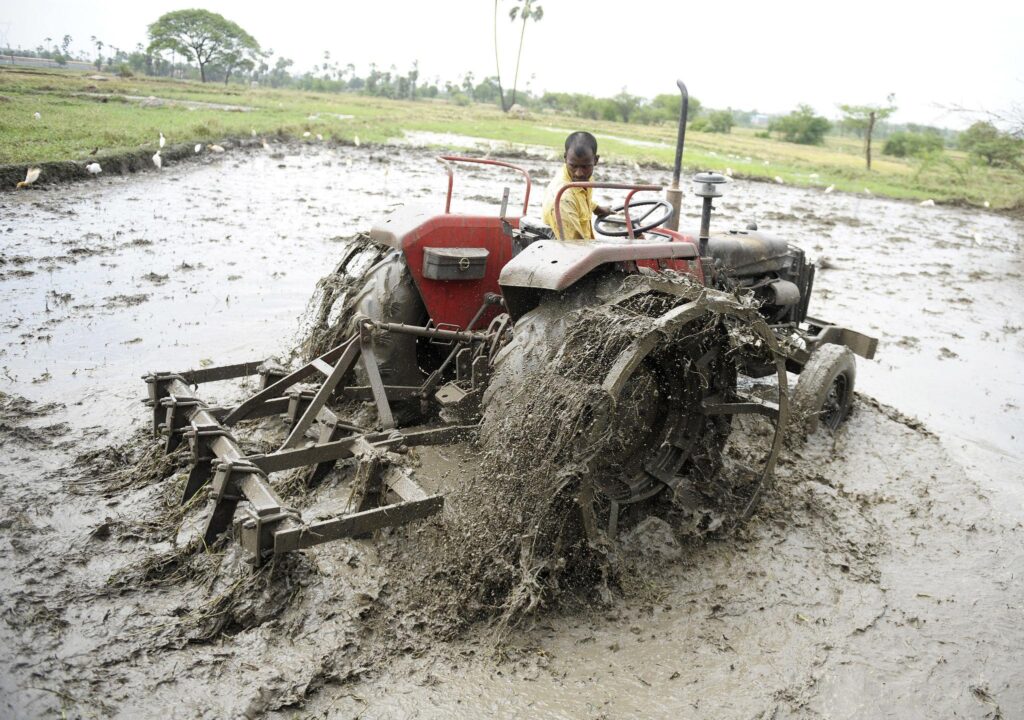
Agricultural experts recommend:
- Following IMD weather forecasts regularly.
- Using drought-resistant crop varieties where appropriate.
- Planning irrigation resources carefully.
- Avoiding overdependence on expected rainfall.
Good planning can help reduce risks if rainfall becomes uneven during the season.
Conclusion
Monsoon 2026 has officially begun its journey across India, bringing both opportunities and challenges. While many regions are expected to receive beneficial rainfall and relief from scorching temperatures, forecasts also suggest the possibility of below-normal rainfall in several parts of the country.
As the monsoon advances, citizens, farmers, and businesses should stay informed through official weather updates and prepare for changing weather conditions. The coming weeks will determine how the season unfolds and what impact it will have on agriculture, water resources, and daily life across India.