

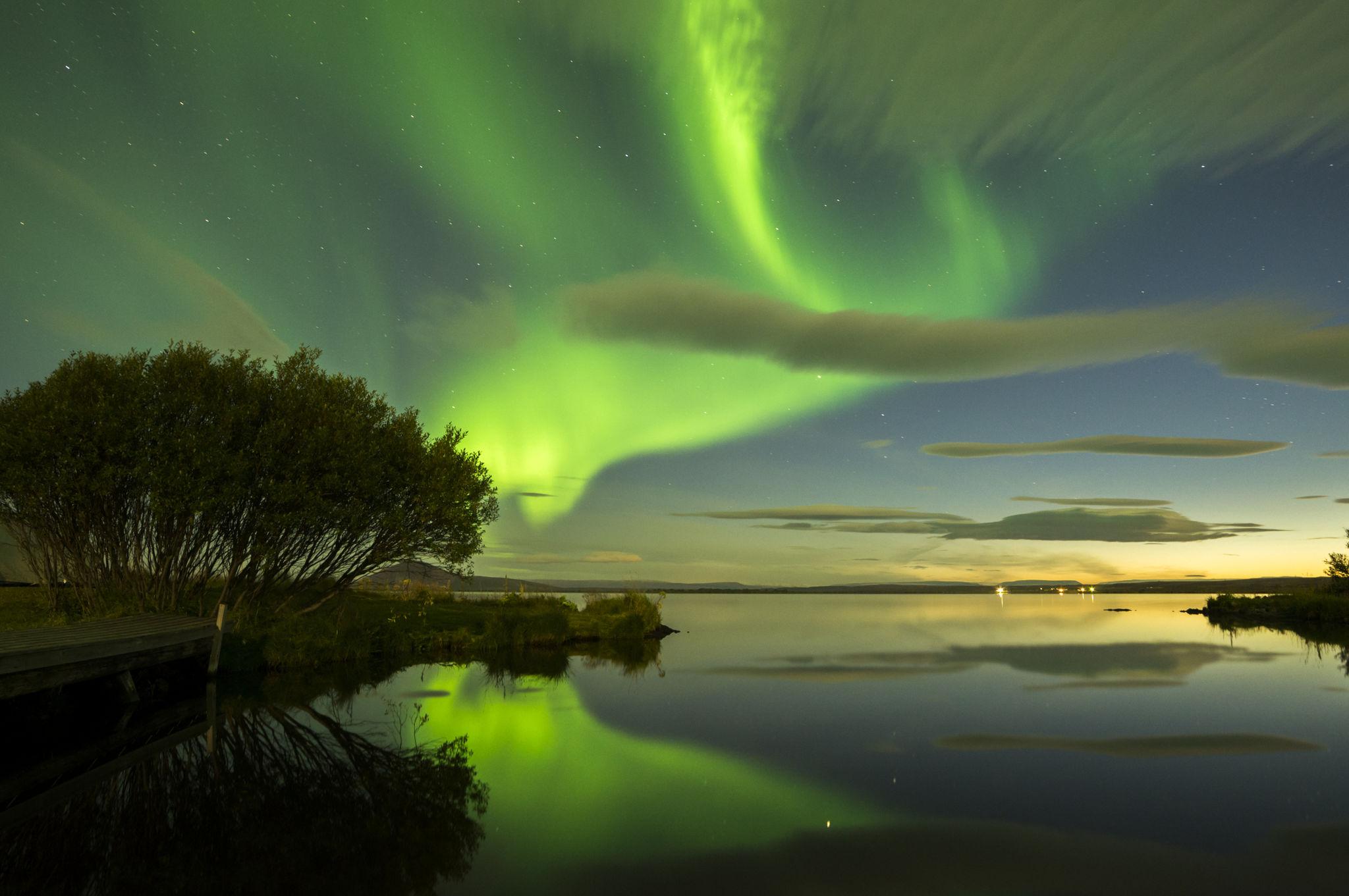
Solar Storm 2026: Rare Northern Lights Could Be Visible From India Tonight – What Skywatchers Should Know
A powerful solar storm is attracting worldwide attention as scientists monitor the possibility of rare aurora displays across regions that do not normally experience them. The event has sparked excitement among astronomy enthusiasts, photographers, and skywatchers who hope to witness one of nature’s most spectacular phenomena.
Auroras, commonly known as the Northern Lights, are usually visible in high-latitude countries near the Arctic Circle. However, during intense geomagnetic storms, these colorful lights can sometimes be seen much farther south than usual.
What Is a Solar Storm?
A solar storm occurs when the Sun releases large amounts of energy and charged particles into space. When these particles reach Earth, they interact with our planet’s magnetic field and atmosphere.
This interaction can create beautiful displays of green, purple, red, and blue lights dancing across the night sky. At the same time, strong solar storms can affect satellites, GPS systems, radio communications, and power grids.
Why Is This Solar Storm Special?
Scientists have reported elevated solar activity due to a series of solar eruptions. The current event is generating strong geomagnetic disturbances that may increase aurora visibility in locations where sightings are extremely rare.
The excitement surrounding this event comes from the possibility that people in parts of India and other lower-latitude regions could potentially witness faint auroral activity under favorable conditions.
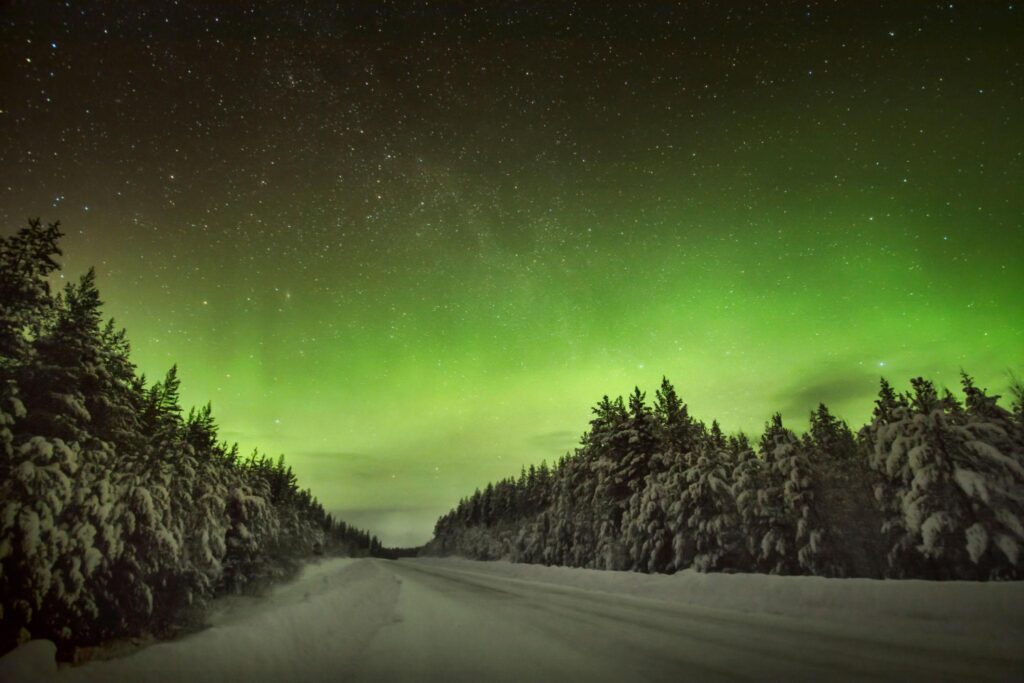
Can People in India See the Northern Lights?
While India is not typically a location for aurora observations, strong geomagnetic storms occasionally expand the visibility zone.
Experts suggest that areas with:
- Clear skies
- Low light pollution
- Open northern horizons
may have a better chance of observing unusual sky glows.
Mountainous and remote regions generally offer the best viewing opportunities.
Best Time to Watch
Skywatchers should look toward the northern horizon after sunset and during the late-night hours.
For the best experience:
| Factor | Recommendation |
| Time | After sunset to midnight |
| Location | Dark areas away from city lights |
| Weather | Clear skies |
| Equipment | Camera with long exposure mode |
How to Photograph the Aurora
If auroras become visible, smartphone cameras with night mode may capture faint colors that are difficult to see with the naked eye.
Tips for photography:
- Use a tripod.
- Enable night mode.
- Reduce light pollution.
- Use long exposure settings.
- Point the camera toward the northern sky.
Impact Beyond Beautiful Lights
Solar storms are not only important for skywatchers. They can also influence:
- Satellite operations
- GPS navigation systems
- Aviation communications
- Radio signals
- Power infrastructure
Space agencies around the world continuously monitor solar activity to reduce potential disruptions.
Why Scientists Are Closely Monitoring the Event
The Sun is currently moving through a highly active phase of its solar cycle. Increased sunspot activity has resulted in more frequent solar eruptions and geomagnetic storms.
Researchers are using advanced space-weather monitoring systems to track these events and better understand their effects on Earth.
Final Thoughts
The Solar Storm 2026 event has generated excitement among sky enthusiasts worldwide. While aurora sightings in India remain uncertain, the possibility alone has encouraged many people to look toward the night sky.
Whether or not the Northern Lights become visible, the event serves as a fascinating reminder of the powerful connection between the Sun and our planet.